Creating Accessible Digital Learning Experiences for All Students
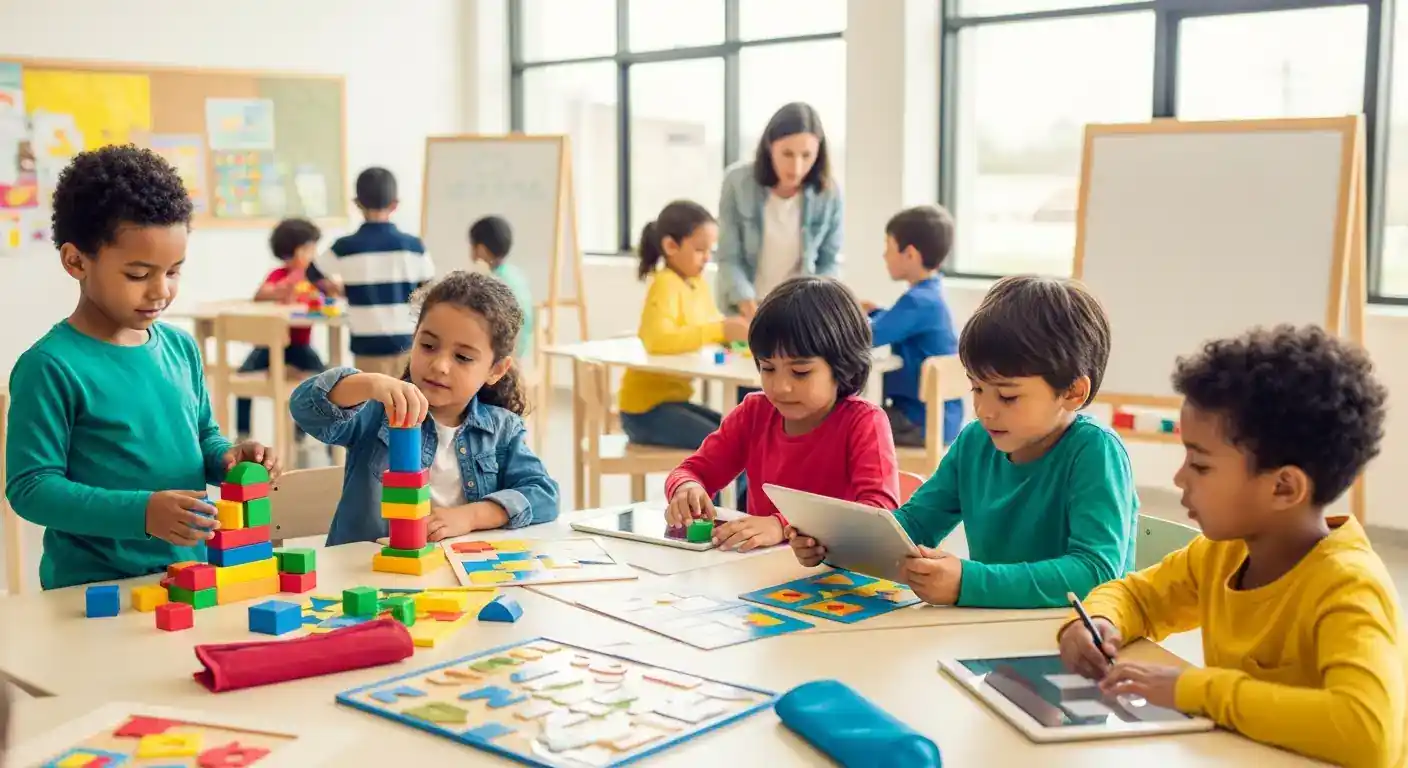
Creating accessible digital learning experiences is crucial for ensuring inclusive education for all students. This means designing online learning environments that cater to diverse learning styles, abilities, and needs. By embracing principles of accessibility, educators can create a more equitable and engaging learning experience for everyone.
Key Points:
- Prioritize universal design for learning.
- Integrate assistive technologies.
- Provide diverse learning materials.
- Seek student feedback.
- Ensure ongoing accessibility evaluation.
Designing Accessible Digital Learning Experiences
Creating truly accessible digital learning experiences requires a proactive approach, incorporating accessibility from the initial design phase. This means considering the needs of all learners, including those with disabilities, from the outset. This proactive approach saves time and resources in the long run and fosters a more inclusive learning environment. Accessibility shouldn't be an afterthought but rather a core component of the digital learning design process.
Universal Design for Learning (UDL) in Digital Learning
UDL provides a framework for creating flexible learning environments that can be adjusted to meet individual needs. It emphasizes providing multiple means of representation, action and expression, and engagement. For instance, offering closed captions on videos caters to students with auditory processing challenges, while providing transcripts allows students with visual impairments to access the same content. This ensures that all students can access and engage with the material in a way that suits their learning styles. A recent study by CAST (2024) highlighted the positive impact of UDL implementation on student engagement and academic outcomes.
The Role of Assistive Technologies
Integrating assistive technologies is another key aspect of creating accessible digital learning. These tools, which include screen readers, text-to-speech software, and alternative input devices, can empower students with disabilities to fully participate in online learning activities. Providing training and support for both students and educators on how to effectively use these technologies is essential. According to a 2023 report by the National Center for Accessible Media, the effective use of assistive technologies significantly improves learning outcomes for students with disabilities.
Accessible Digital Learning: Best Practices
Beyond UDL and assistive technologies, several other best practices contribute to creating inclusive online learning environments. These include:
- Diverse learning materials: Offering content in various formats (text, audio, video, interactive simulations) caters to diverse learning preferences and needs.
- Clear and concise language: Using simple language and avoiding jargon improves comprehension for all students, including those with cognitive disabilities or learning differences.
- Consistent navigation: A well-structured and predictable online learning platform makes it easier for all students to navigate and access materials.
- Regular accessibility audits: Conducting regular checks using accessibility checkers and seeking feedback from students with disabilities ensures the ongoing accessibility of the learning environment. A 2025 study published in the Journal of Educational Technology Systems demonstrated the effectiveness of regular accessibility audits in identifying and addressing accessibility barriers.
Differentiated Value: Focusing on the Future of Accessible Digital Learning
Beyond the standard practices, focusing on personalized learning pathways and leveraging AI-powered accessibility tools offers unique value in creating truly inclusive learning experiences. These advanced tools offer personalized support and empower students to take control of their learning journey.
Internal Linking Strategy
- Link to an article on universal design for learning: /articles/understanding-the-principles-of-universal-design-for-learning (Related Article)
- Link to the virtual classroom solutions category: /categories/virtual-classroom-solutions (Category)
- Link to an article about assistive technologies in education: /articles/assistive-technologies-in-the-modern-classroom (Related Article)
FAQ: Accessible Digital Learning
Q: What is the difference between accessibility and universal design for learning?
A: Accessibility focuses on removing barriers for individuals with disabilities, while UDL proactively designs learning experiences that are flexible and adaptable to the diverse needs of all learners.
Q: How can I make my online courses more accessible?
A: Start by incorporating captions on videos, providing transcripts, using alternative text for images, and ensuring keyboard navigation. Consider using accessibility checkers and seeking feedback from students.
Q: What are some common assistive technologies used in online learning?
A: Common assistive technologies include screen readers like JAWS and NVDA, text-to-speech software, and alternative input devices like specialized keyboards and mice.
Q: How can I evaluate the accessibility of my digital learning materials?
A: Use accessibility checkers, conduct manual reviews using accessibility guidelines (WCAG), and solicit feedback from students with diverse learning needs.
Conclusion: Building an Inclusive Future for Digital Learning
Creating accessible digital learning experiences isn't just about compliance; it's about fostering equity and ensuring that all students have the opportunity to succeed. By incorporating the strategies outlined in this article, educators can build more inclusive and engaging online learning environments for all. We encourage you to share your experiences and contribute to the conversation in the comments below. Subscribe to our newsletter for more updates on virtual classroom solutions. For further reading, explore resources from the Web Accessibility Initiative (WAI).
Future Expansion Topics:
- AI-powered personalized learning platforms for accessibility
- Emerging assistive technologies for digital learning
- The future of inclusive design in virtual and augmented reality learning environments
This article was published on 2025-08-01 and is recommended to be reviewed and updated every six months to reflect the evolving landscape of digital accessibility best practices and technologies.