Creating Engaging and Interactive Online Learning Experiences
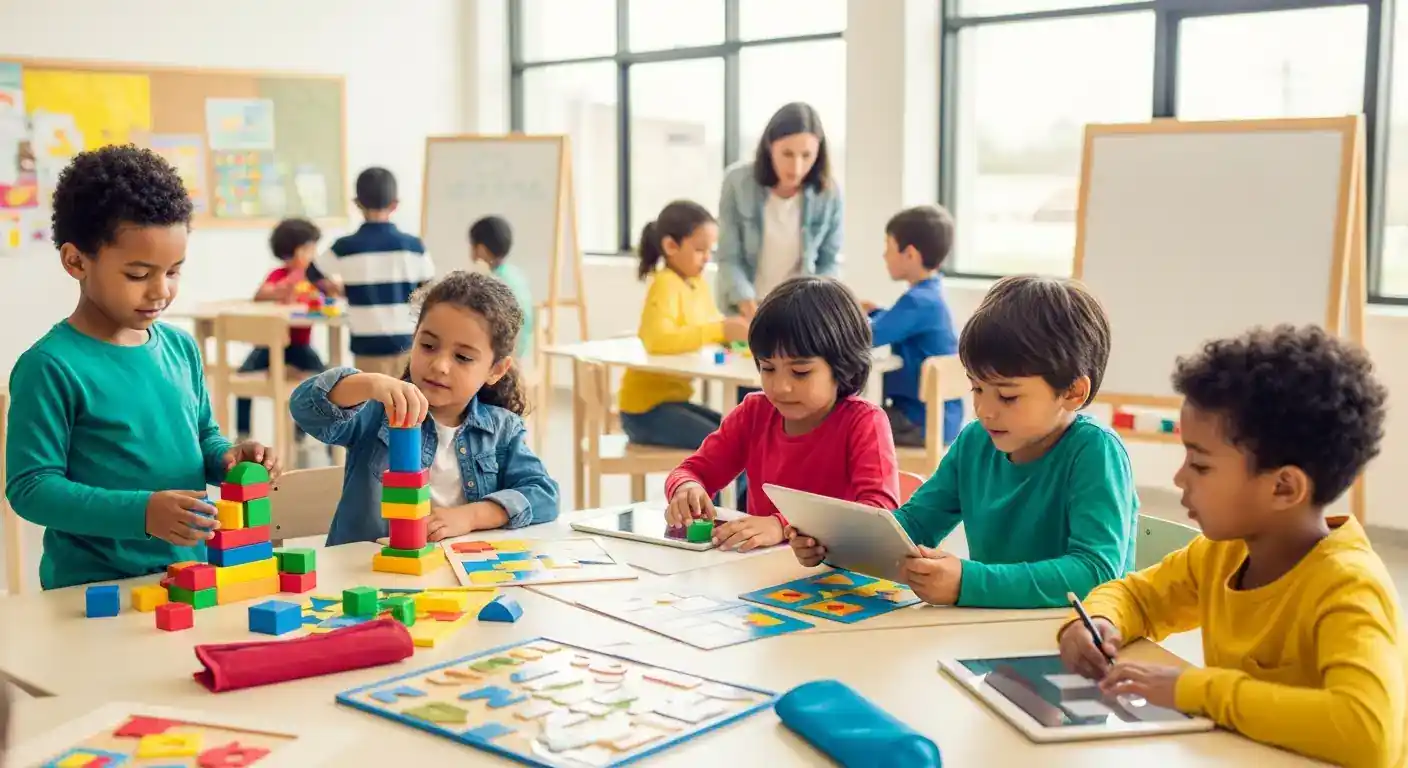
Creating engaging and interactive online learning experiences is crucial for effective knowledge transfer and skill development in today's digital world. This article explores practical strategies and tools to transform your virtual classroom into a dynamic and stimulating learning environment.
Key Points:
- Leverage interactive tools.
- Foster collaborative learning.
- Personalize the learning journey.
- Implement gamification techniques.
- Provide regular feedback.
Engaging Students in the Virtual Classroom
Creating truly engaging online learning experiences requires a shift from passive lectures to active participation. Interactive elements are key to keeping learners focused and motivated. Tools like polls, quizzes, and breakout rooms can transform a monotonous online session into a dynamic learning experience. By incorporating these elements, educators can gauge student understanding in real-time and adjust their approach accordingly. This active learning approach significantly enhances knowledge retention and encourages deeper engagement.
Designing Interactive Online Learning Activities
Consider incorporating various activities like virtual simulations, interactive whiteboards, and collaborative document editing. These tools allow students to apply what they've learned in a practical setting, fostering critical thinking and problem-solving skills. For example, a virtual science lab can offer hands-on experience without physical limitations. A recent study by the eLearning Guild (2024) showed a 20% increase in knowledge retention when interactive simulations were incorporated into online learning modules.
Fostering Collaboration in Online Learning Environments
Interactive online learning experiences thrive on collaboration. Creating opportunities for peer-to-peer interaction fosters a sense of community and encourages active learning. Integrating discussion forums, group projects, and peer feedback mechanisms can significantly improve student engagement and knowledge sharing. These collaborative activities not only deepen understanding but also develop crucial communication and teamwork skills.
Building a Collaborative Virtual Classroom Community
Building a strong sense of community within the virtual classroom is crucial for engaging online learning experiences. Encourage social interaction through icebreaker activities, virtual coffee breaks, and online study groups. This fosters a supportive learning environment where students feel comfortable sharing ideas and asking questions.
Personalizing the Online Learning Journey
Every learner is unique, and creating engaging interactive online learning experiences requires acknowledging this individuality. Personalized learning pathways cater to different learning styles and paces. Adaptive learning platforms and personalized feedback mechanisms can significantly improve learning outcomes. By tailoring the learning experience to individual needs, educators can maximize student success. A 2023 report by the Association for Talent Development (ATD) emphasized the importance of personalized learning in improving knowledge retention and skill development.
Implementing Personalized Learning Strategies
Start by offering choices in assignments and learning materials. This allows learners to explore topics that resonate with their interests. Utilizing learning analytics can also provide valuable insights into student progress, enabling educators to provide targeted support and feedback. This data-driven approach to personalization further enhances the learning experience and promotes student success. Another valuable strategy is incorporating self-assessment tools and reflection activities, empowering learners to take ownership of their educational journey.
Differentiated Value: Gamification and Microlearning
Unlike traditional online courses, we advocate for integrating gamification and microlearning. Gamification, by incorporating game mechanics like points, badges, and leaderboards, can significantly boost learner motivation and engagement. Microlearning, which delivers content in short, focused bursts, caters to the modern learner's reduced attention spans and busy schedules. These two combined offer a powerful approach to creating dynamic and engaging online learning experiences.
FAQ: Engaging and Interactive Online Learning
Q1: What are some effective ways to increase student engagement in online learning?
A1: Utilizing interactive tools like polls, quizzes, and breakout rooms can transform passive learning into active participation. Incorporating collaborative activities like group projects and discussion forums fosters a sense of community and encourages peer learning.
Q2: How can I personalize the online learning experience for my students?
A2: Offer choices in assignments and learning materials. Use adaptive learning platforms and personalized feedback mechanisms. Implement self-assessment tools and reflective activities to empower learners.
Q3: What are the benefits of gamification in online learning?
A3: Gamification increases learner motivation and engagement by incorporating game mechanics like points, badges, and leaderboards. It can make learning more fun and competitive, encouraging active participation and completion.
Q4: What is microlearning and how can it improve online learning?
A4: Microlearning delivers content in short, focused bursts, making it easier for learners to digest and retain information. It caters to busy schedules and shorter attention spans, leading to improved learning outcomes.
Conclusion: Building a Thriving Virtual Learning Community
Creating engaging and interactive online learning experiences requires a thoughtful and proactive approach. By leveraging interactive tools, fostering collaboration, and personalizing the learning journey, educators can transform their virtual classrooms into dynamic hubs of knowledge and skill development. Share your experiences and thoughts in the comments below. Subscribe to our newsletter for more insights on creating effective online learning environments. For further reading, explore our articles on [/categories/virtual-classroom-solutions] and [/articles/designing-interactive-online-learning-activities]. Also consider reading "The Art of Online Teaching" (2025) and "Engaging the Digital Learner" (2023) for more in-depth exploration of this topic.
Expandable Subtopics for Future Updates:
- Accessibility in online learning environments
- Utilizing AI-powered tools for enhanced engagement
- Measuring the effectiveness of interactive online learning strategies
Internal Link Suggestions:
- Anchor Text: interactive tools; Target Page: /articles/interactive-tools-for-online-learning (related article)
- Anchor Text: personalized learning; Target Page: /articles/personalized-learning-strategies (related article)
- Anchor Text: Virtual Classroom Solutions; Target Page: /categories/virtual-classroom-solutions (category)