Creating Engaging Digital Content for Remote Learning Environments
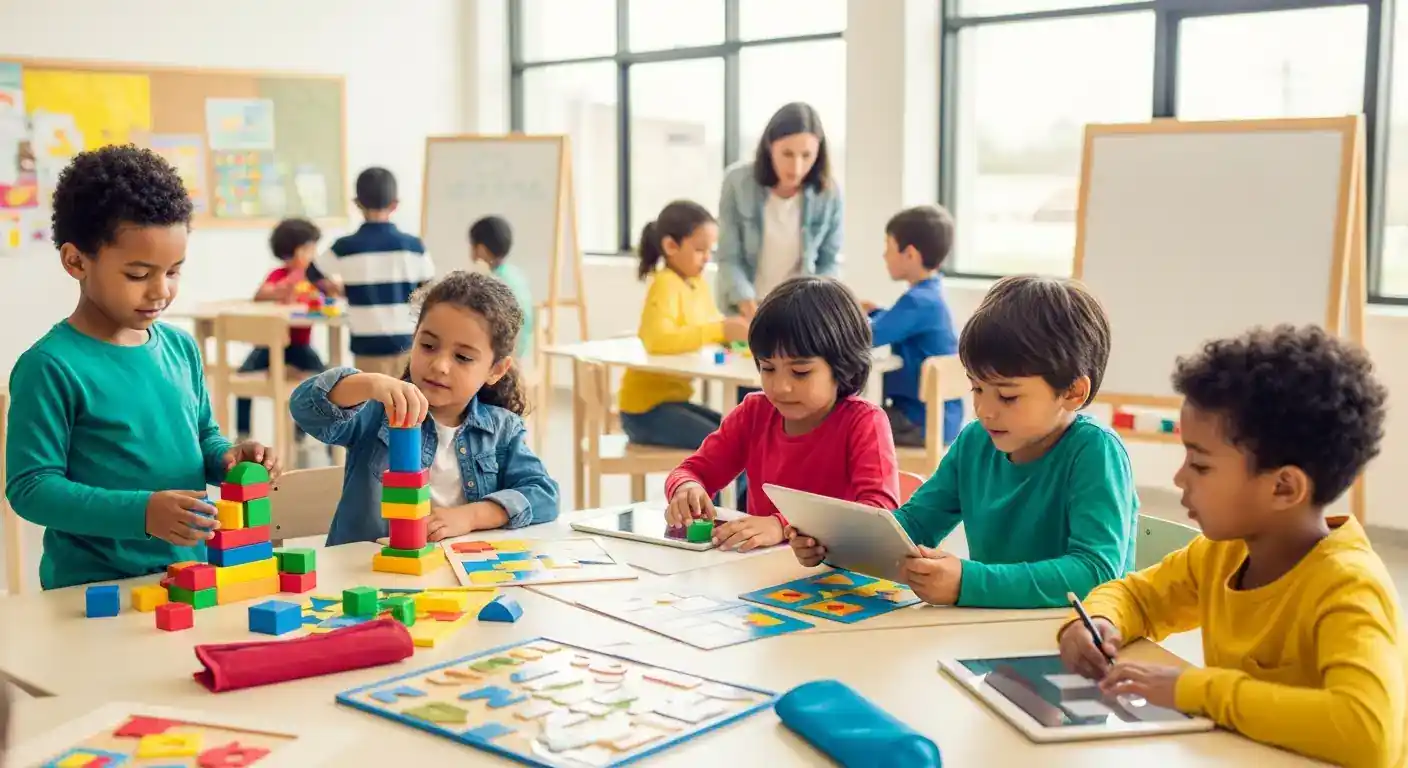
Creating engaging digital content is crucial for successful remote learning environments. It's the key to keeping students motivated, fostering collaboration, and achieving learning outcomes. This article explores practical strategies to transform your online learning materials into dynamic and interactive experiences.
Key Points:
- Interactive elements boost engagement.
- Accessibility is essential for inclusivity.
- Multimedia content caters to diverse learning styles.
- Regular updates maintain relevance.
- Data-driven insights inform content optimization.
Engaging Digital Content: A Necessity for Remote Learning
Effective remote learning hinges on engaging digital content. Without stimulating and interactive materials, students can quickly become disengaged and fall behind. Creating engaging digital content requires a shift in mindset, moving from simply replicating traditional classroom materials to designing experiences tailored for the online space. This includes incorporating multimedia elements, interactive activities, and accessible design principles. Focusing on remote learning environments means prioritizing flexibility and adaptability to meet the diverse needs of online learners.
Designing Interactive Learning Experiences in Remote Learning Environments
Interactive learning experiences are paramount for engaging digital content in remote learning environments. Consider incorporating elements like quizzes, polls, and interactive simulations. These tools not only assess understanding but also provide immediate feedback, fostering active participation. Using varied content formats like videos, podcasts, and gamified learning modules caters to different learning styles and maintains student interest. Don't forget to incorporate collaborative activities such as online discussions, group projects, and peer feedback sessions.
Leveraging Multimedia for Engaging Remote Learning Content
Multimedia enriches digital content and significantly enhances engagement in remote learning. Videos can explain complex concepts visually, while audio recordings offer accessible learning options. Interactive infographics and animated presentations make information digestible and memorable. By diversifying content formats, educators cater to various learning preferences and ensure inclusivity in the remote learning environment.
Accessibility and Inclusivity in Digital Content Creation for Remote Learning
Creating accessible digital content is non-negotiable in remote learning environments. Ensure all materials comply with accessibility guidelines, such as providing captions for videos, alternative text for images, and keyboard navigation options. This inclusive approach ensures that all students, regardless of their learning differences or disabilities, can access and benefit from the learning materials. A recent study by the Web Accessibility Initiative (WAI, 2024) highlighted the significant impact of accessible design on learner engagement and success in online settings.
Practical Tips for Creating Accessible Digital Content
- Use clear and concise language: Avoid jargon and complex sentence structures.
- Provide alternative text for all images: Describe the image content concisely.
- Caption all videos and audio recordings: Ensure all auditory information is accessible.
- Use sufficient color contrast: Make text easily readable against the background.
- Design for keyboard navigation: Allow users to navigate the content without a mouse.
Data-Driven Optimization of Digital Content in Remote Learning Environments
Regularly reviewing and updating digital content is essential for maintaining its relevance and effectiveness in the dynamic remote learning environment. Analyzing student performance data, gathering feedback through surveys, and tracking engagement metrics provide valuable insights for content optimization. This data-driven approach ensures continuous improvement and allows educators to tailor content to the evolving needs of their learners. A 2025 report by Educause emphasizes the importance of data analytics in enhancing online learning outcomes.
Expandable Subtopics for Future Updates
- Emerging technologies in remote learning content creation
- Personalized learning pathways in digital environments
- Gamification strategies for enhanced engagement
Internal Linking Suggestions:
- Anchor Text: learning management systems, Target: /categories/learning-management-systems (Category)
- Anchor Text: interactive learning experiences, Target: /articles/designing-interactive-learning-experiences-in-remote-learning-environments (Related Article)
- Anchor Text: accessible digital content, Target: /articles/practical-tips-for-creating-accessible-digital-content (Related Article)
FAQ: Engaging Digital Content for Remote Learning
Q1: What are some examples of interactive elements I can incorporate into my online lessons?
A1: Interactive elements can range from simple quizzes and polls to more complex simulations and virtual labs. Gamified learning activities, interactive videos, and collaborative projects are also great ways to boost engagement.
Q2: How can I make my digital content accessible to all learners?
A2: Following accessibility guidelines is key. Provide captions and transcripts for videos, alternative text for images, and ensure your content is navigable using a keyboard. Use clear language and sufficient color contrast.
Q3: How do I know if my digital content is effective?
A3: Track engagement metrics such as completion rates, time spent on materials, and student performance on assessments. Regularly gather feedback from students through surveys and discussions.
Q4: What are some tools I can use to create engaging digital content?
A4: Many platforms offer tools for creating interactive content, such as H5P, Articulate Storyline, and Adobe Captivate. Video editing software, graphic design tools, and learning management systems also provide valuable resources.
Conclusion: Embracing Engaging Digital Content for Remote Learning Success
Creating engaging digital content is not merely a trend but a necessity for successful remote learning environments. By embracing interactive elements, prioritizing accessibility, and utilizing data-driven insights, educators can create dynamic learning experiences that empower students to thrive in the digital age. Share your thoughts and experiences in the comments below! Subscribe to our newsletter for more insights on enhancing remote learning. For further reading, explore resources on instructional design and online learning best practices.