Effective Digital Learning Strategies for Elementary Students
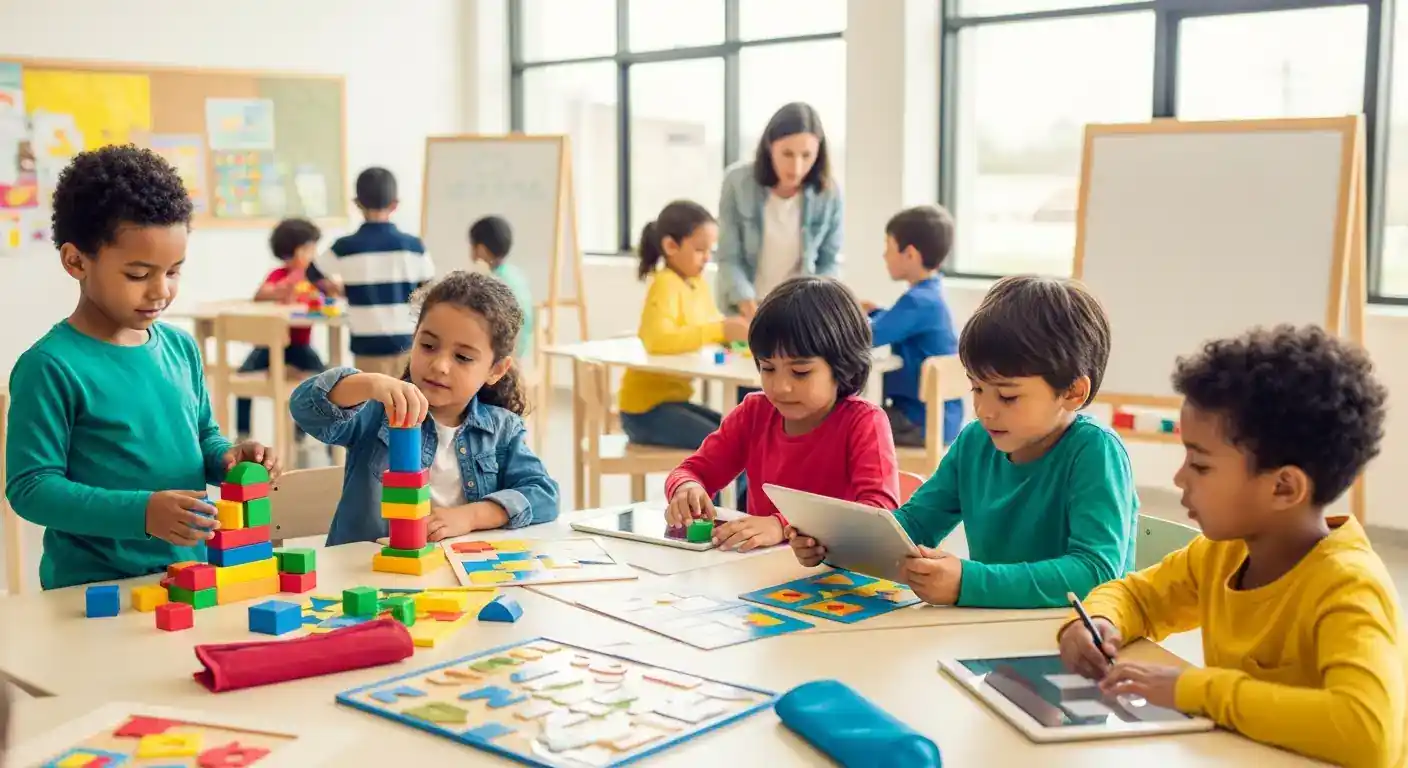
Effective digital learning strategies are crucial for elementary students in today's evolving educational landscape. This article explores practical and engaging methods to optimize online learning for young learners, fostering a positive and productive experience.
Key Points:
- Engaging digital tools and platforms
- Personalized learning approaches
- Fostering collaboration and interaction
- Balancing screen time and offline activities
- Supporting diverse learning styles
Effective Digital Learning Strategies: Engaging Elementary Students
Integrating technology effectively is paramount for successful digital learning. Engaging elementary students requires carefully chosen strategies that cater to their developmental stage and learning styles. This means selecting interactive and age-appropriate content.
One key strategy is utilizing game-based learning platforms. These platforms transform educational concepts into fun, interactive games, motivating students and reinforcing learning. Another effective strategy involves incorporating multimedia content, such as videos, animations, and interactive simulations, which caters to diverse learning styles and keeps students engaged.
Digital Learning for Elementary Students: Fostering Collaboration
Collaboration and interaction are vital aspects of effective digital learning for elementary students. Online collaborative tools, such as shared documents and virtual whiteboards, enable students to work together on projects, fostering teamwork and communication skills. Virtual classrooms and video conferencing platforms facilitate real-time interaction between students and teachers, promoting a sense of community and connection. For example, a 2024 study by the Education Technology Research Group found that students participating in virtual collaborative projects demonstrated increased problem-solving skills and improved communication.
Optimizing Digital Learning Strategies for Elementary Students: Personalized Learning
Personalized learning is a crucial element in maximizing the effectiveness of digital learning strategies. By tailoring learning experiences to individual student needs, educators can address specific learning gaps and nurture individual strengths. Adaptive learning platforms analyze student performance and provide customized learning paths, offering targeted support and challenges. Providing students with choices in their learning activities and assignments promotes autonomy and increases motivation. For instance, allowing students to choose between different project formats or research topics empowers them to take ownership of their learning.
Addressing Challenges in Elementary Digital Learning
While digital learning offers numerous benefits, it's important to address potential challenges. Balancing screen time with offline activities is essential for elementary students' well-being. Encouraging breaks, incorporating hands-on activities, and promoting outdoor play are crucial for maintaining a healthy balance. Additionally, ensuring equitable access to technology and providing adequate support for students and families are essential for fostering successful digital learning experiences for all. A recent report by the National Education Association (2025) emphasized the importance of digital equity and providing resources for families navigating online learning.
Differentiated Content:
- Focus on Digital Wellness: This article emphasizes the crucial aspect of digital wellness for elementary students, incorporating strategies for balancing screen time and promoting healthy online habits. This focus is often overlooked in discussions of digital learning but is vital for young learners.
- Emphasis on Personalized Learning Paths: While many resources discuss personalized learning, this article goes further by providing specific examples of how adaptive learning platforms and student choice can be incorporated into digital learning strategies.
Internal Linking Strategy:
- Learn more about various educational technology platforms on our dedicated category page: /categories/educational-technology-platforms (Category page)
- Discover how to choose the right learning management system for your school: /articles/choosing-the-right-learning-management-system-for-your-school (Related article)
- Explore strategies for enhancing student engagement in online learning: /articles/enhancing-student-engagement-in-online-learning (Related article)
FAQ Section:
Q: What are some effective digital tools for elementary students? A: Effective digital tools for elementary students include interactive whiteboards, educational apps, game-based learning platforms, and video conferencing software. Choosing tools that are age-appropriate and aligned with learning objectives is essential.
Q: How can I ensure my child is staying focused during online learning? A: Creating a dedicated learning space free from distractions, establishing a consistent routine, and incorporating movement breaks can help improve focus during online learning. Using timers and visual schedules can also be beneficial.
Q: What are some ways to promote collaboration in a virtual classroom? A: Using collaborative tools like shared documents, virtual whiteboards, and breakout rooms can foster collaboration in a virtual classroom. Encouraging group projects and peer feedback can also promote interaction.
Q: How can I address my child's screen time concerns with online learning? A: Balancing screen time with offline activities, such as outdoor play, reading, and creative projects, is essential. Establishing clear limits on non-educational screen time and encouraging breaks can help manage overall screen time.
Conclusion:
Effective digital learning strategies are key to providing elementary students with engaging and enriching educational experiences. By incorporating the strategies discussed in this article, educators and parents can harness the power of technology to foster a positive and productive learning environment for young learners. Share your experiences and thoughts in the comments below, and subscribe to our newsletter for more valuable insights on educational technology. Explore our resources on [link to related content] for further reading on this topic. This information is current as of June 2025. Given the rapid advancements in educational technology, it is recommended to review and update these strategies annually.
Expandable Subtopics for Future Updates:
- Incorporating Artificial Intelligence in Elementary Digital Learning
- The Role of Virtual Reality in Elementary Education
- Developing Digital Literacy Skills in Elementary Students