Integrating Educational Technology in the Classroom: Best Practices
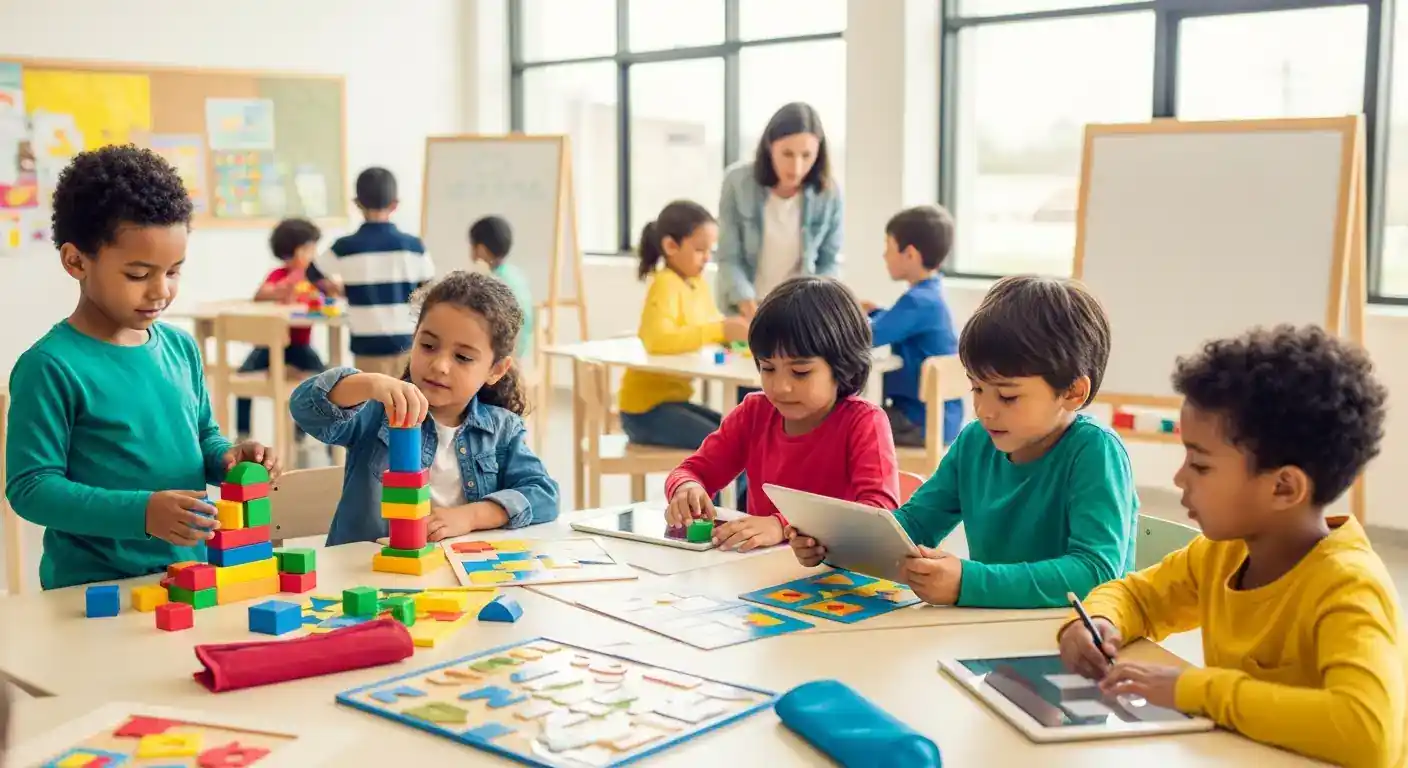
Integrating educational technology in the classroom is no longer a luxury but a necessity. Effective technology integration enhances student engagement, personalizes learning, and prepares students for a digital future. This article explores best practices for seamlessly incorporating technology to maximize learning outcomes.
Key Points:
- Personalized Learning: Tailor instruction to individual student needs.
- Engaging Content: Utilize interactive tools and multimedia.
- Data-Driven Instruction: Track progress and adjust teaching strategies.
- Collaboration and Communication: Foster interactive learning environments.
- Professional Development: Equip educators with necessary tech skills.
Integrating Educational Technology: Enhancing Student Engagement
Successfully integrating educational technology requires a strategic approach. It's not simply about using the latest gadgets; it's about using the right tools to enhance the learning experience. Blended learning, combining traditional methods with digital resources, allows educators to create dynamic and engaging learning environments.
Choosing the Right Tools for Technology Integration in the Classroom
Selecting appropriate technology is crucial. Consider the specific learning objectives, student needs, and available resources. Interactive whiteboards, educational apps, and learning management systems (LMS) offer diverse opportunities for personalized learning. A recent study by the Educational Technology Research Institute (2024) found that using interactive simulations significantly improved student understanding of complex concepts.
Best Practices for Educational Technology Integration: Fostering Collaboration
Technology can facilitate collaborative learning. Tools like Google Workspace for Education and Microsoft Teams enable students to work together on projects, share ideas, and provide peer feedback. This fosters communication skills and prepares students for real-world collaboration. Project-based learning becomes more dynamic with digital tools, allowing for seamless integration of multimedia and online resources.
Integrating Educational Technology: Data-Driven Instruction and Personalized Learning
One of the most significant benefits of educational technology is the ability to gather data on student performance. LMS platforms provide valuable insights into student progress, allowing educators to identify areas of strength and weakness. This data informs instructional decisions, enabling teachers to personalize learning and provide targeted support. Furthermore, incorporating adaptive learning platforms allows the software to automatically adjust the difficulty level based on student performance.
Leveraging Technology for Personalized Learning Experiences
Technology enables personalized learning pathways, catering to diverse learning styles and paces. This differentiated instruction ensures that each student receives the support they need to succeed. For example, using educational games can make learning more engaging and motivate students to master challenging concepts. This individualized approach, highlighted in the "Future of Education" report (Pearson, 2023), is reshaping the educational landscape.
Integrating Educational Technology Tools for Assessment and Feedback
Technology also streamlines assessment and feedback processes. Online quizzes and assessments provide instant feedback to students, allowing them to track their progress and identify areas for improvement. Teachers can use this data to adjust their teaching strategies and provide timely interventions. This data-driven approach, as advocated by the National Education Association (2025), is key to maximizing student achievement.
Differentiated Content: The Future of Education
Unlike traditional approaches that focus solely on content delivery, modern educational technology integration emphasizes personalized learning and data-driven instruction. This shift empowers educators to create customized learning experiences that cater to individual student needs and learning styles. Additionally, the increasing use of artificial intelligence in education is providing personalized tutoring and feedback, a trend largely absent from previous discussions. This focus on AI-driven personalization sets this article apart. Another key difference is the emphasis on the importance of digital citizenship and responsible technology use, preparing students for the ethical challenges of a digital world.
Internal Linking Strategy:
- Anchor Text: Learning Management Systems (LMS)
- Target Page Type: Category
- Link: /categories/learning-management-systems
- Anchor Text: Blended learning
- Target Page Type: Related Article
- Link: /articles/blended-learning-strategies-for-effective-teaching
- Anchor Text: Project-based learning
- Target Page Type: Related Article
- Link: /articles/project-based-learning-with-technology-integration
FAQ: Integrating Educational Technology in the Classroom
Q: What are the biggest challenges to integrating technology in the classroom?
A: Common challenges include limited access to technology, inadequate teacher training, and the need for ongoing technical support. Addressing these challenges requires a comprehensive approach involving investment in infrastructure, professional development, and dedicated support staff.
Q: How can teachers effectively use technology to differentiate instruction?
A: Technology allows teachers to offer various learning resources, adapt content to different learning styles, and provide individualized feedback. Utilizing digital platforms and tools, educators can create personalized learning pathways that address individual student needs.
Q: What are some examples of effective educational technology tools?
A: Effective tools include interactive whiteboards, educational apps, learning management systems (LMS), and virtual reality platforms. These tools offer engaging and interactive learning experiences, enhancing student understanding and motivation.
Q: How can schools ensure equitable access to technology for all students?
A: Equitable access requires investment in devices, internet connectivity, and technical support for all students. Schools must prioritize providing resources to underserved communities and ensure that all students have the opportunity to benefit from educational technology.
Conclusion: Embracing the Future of Education
Integrating educational technology offers transformative potential for enhancing learning. By adopting best practices, educators can create dynamic, engaging, and personalized learning experiences for all students. Share your experiences with integrating technology in the comments below. Subscribe to our newsletter for more insights on educational technology. For further reading, explore resources from the International Society for Technology in Education (ISTE). Let's embrace the future of education together!